
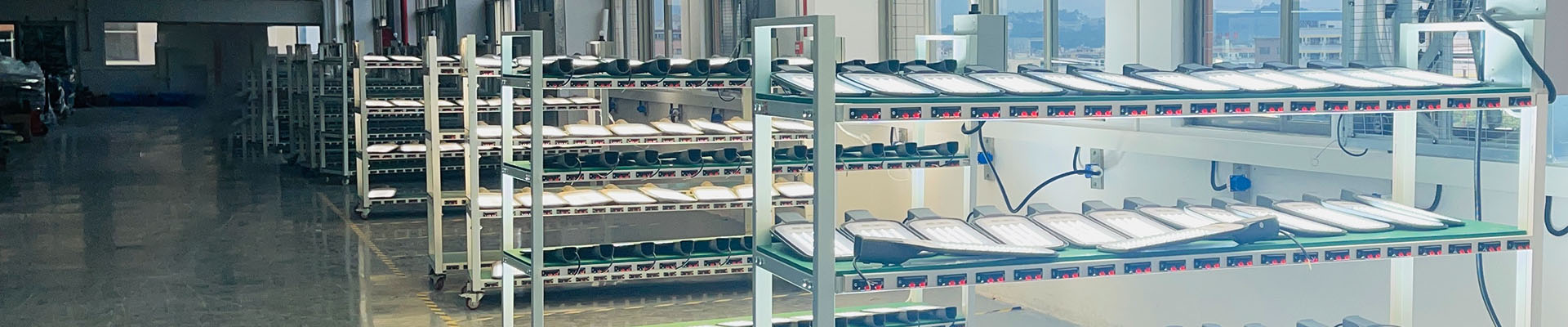

What Time Do The Street Lights Come on?
Street lights usually come on at dusk, not at one fixed clock time. In most cities, roads, residential streets, and public areas do not rely on a manual switch every evening. Instead, modern street lighting systems are often controlled by photocells, timers, or smart control systems that respond to natural light levels. That is why the answer to what time do the street lights come on changes through the year. In summer they may turn on later, while in winter they often come on much earlier.
This is a simple question on the surface, but for contractors, importers, municipal buyers, and lighting distributors, it leads to a more practical discussion. Street lights are not only about turning on at night. They are about reliable operation, energy saving, installation efficiency, and long-term maintenance cost. A street light that turns on at the right time but fails too early still creates trouble for the buyer. That is why the timing question is closely tied to product design and supplier capability.
Why Street Lights Do Not Turn On At The Same Time Every Day
Many people expect street lights to follow a fixed schedule such as 6:30 PM or 7:00 PM. In reality, that is not how most outdoor lighting systems are managed. Street lights are usually designed to react to ambient light conditions. When daylight drops to a certain level, the system activates the lamp. This makes the lighting schedule more practical because sunset changes with the season, local climate, and geographic location.
For project buyers, this matters because a fixed-time system can waste energy or reduce lighting effectiveness. If the lights turn on too early, energy consumption rises without real need. If they turn on too late, road safety and pedestrian visibility may be affected. In commercial developments and city road projects, that balance is important. The best lighting solution is not just bright enough. It also needs to respond well to real outdoor conditions.
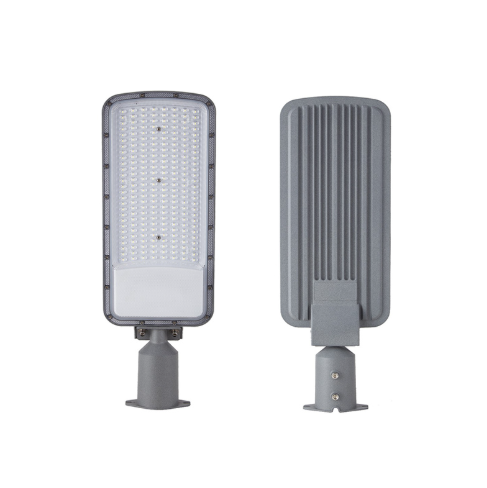
That is where a dependable LED Street Lighting product becomes relevant. Our led street side light fits naturally into this topic because it is made for practical outdoor lighting use, including city streets, business centers, and residential developments. It is designed as an energy-efficient and easy-to-install lighting option, which is exactly what many project-based buyers and wholesale customers look for when planning urban or roadside lighting supply.
What Controls The On Time Of Street Lights
The time street lights come on is usually controlled by one of three common methods. The first is a photocell sensor, which detects surrounding light levels and switches the lamp on when daylight falls below a preset threshold. This is one of the most common options because it adjusts automatically through the year. The second is a timer-based system, often used where lighting schedules are standardized and centrally managed. The third is a smart lighting control platform, which can combine timing, light sensing, and remote management.
From a B-end sourcing view, the control method is just as important as the lamp body. Many buyers have faced the same pain points. The light source may be acceptable, but the control system is unstable. Some projects suffer from delayed switching, unnecessary daytime activation, or inconsistent response between different streets. These issues increase service calls and damage project credibility. That is why experienced buyers often look beyond wattage and shape. They also care about whether the whole lighting solution is suitable for real outdoor management.
Why Product Reliability Matters More Than The Exact Time
When people search what time do the street lights come on, they are often looking for a direct answer. For professional buyers, though, the bigger concern is reliability after installation. A street light that activates at dusk should also keep stable performance through rain, wind, temperature change, and long operating hours. If the fixture body is weak, if installation is difficult, or if the light output becomes unstable too soon, the project cost rises later.
This is one reason led street lights are widely preferred in modern road lighting projects. They are more energy-efficient, offer longer service potential, and support lower maintenance pressure compared with older lighting technologies. But even within LED products, quality differences still matter. Buyers do not just need a lamp that looks modern in a catalog. They need a fixture that works consistently in outdoor environments.
Our product is built around that practical need. It is designed for outdoor use and made with materials intended to handle cold weather, heavy rain, and strong winds. For municipal contractors, distributors, and engineering procurement teams, that kind of detail is important because outdoor lighting is exposed to real environmental stress every day. A lamp that performs steadily in these conditions is easier to specify, easier to install, and easier to support in long-term supply programs.
How This Topic Connects With Real Buyer Needs
A search topic like what time do the street lights come on may look consumer-focused, but it has strong value for supplier websites because it opens the door to real procurement concerns. Many buyers are comparing not only price, but also installation convenience, maintenance burden, and long-term operating efficiency. They want to know whether the supplier understands actual project use instead of only listing product parameters.
This is especially important in road lighting and development projects. A contractor may need fast installation for a residential street project. A distributor may want an LED street light that is easier to explain to local dealers. A project buyer may need a product line that balances energy efficiency with visual consistency across urban roads. A solution provider may also need support for OEM or ODM cooperation to match local standards, branding, or tender requirements.
That is where supplier identity becomes part of the article naturally. We are not only discussing when street lights turn on. We are also showing what kind of street light makes that daily operation more dependable. Our product supports this discussion well because it is positioned for city roads, commercial areas, and residential developments, while also offering OEM and ODM support for customers who need tailored solutions for their market or project channel.
Why Easy Installation And Energy Efficiency Matter
In many street lighting projects, the challenge is not only product selection. It is the total cost of getting the system into operation. Difficult installation slows project progress. Heavy maintenance raises labor cost. High power consumption adds pressure to long-term budgets. That is why energy-efficient and easy-to-install fixtures often have a stronger commercial advantage than products that only compete on initial price.
Our LED Street Side Light is relevant here because it is designed with straightforward installation and energy-saving use in mind. For wholesalers and project contractors, this creates a clearer selling point. Buyers are often under pressure to deliver lighting performance while still controlling installation schedules and future maintenance cost. A product that helps simplify field work is easier to recommend and easier to include in bid-oriented or bulk order purchasing plans.
This also matters for private label and OEM customers. A practical street light product is easier to adapt for different projects when the base design already aligns with what the market needs. In road lighting, buyers rarely want unnecessary complexity. They want stable structure, useful light distribution, and a supplier who can support repeated orders with consistent quality.
Why Supplier Capability Matters In Street Lighting Projects
Street lights may turn on automatically at dusk, but successful lighting projects do not run automatically. They depend on supplier support, production consistency, and communication efficiency. Many B-end buyers have experienced delays, inconsistent quality between batches, or weak coordination during project delivery. These problems are often more damaging than a small price difference.
That is why choosing a street light supplier is not only about finding a lamp. It is about finding a partner who understands project timelines, specification control, and customization needs. OEM and ODM service can be valuable here, especially when the customer needs adjustments in appearance, branding, or project matching. For distributors and engineering buyers, this flexibility can make sourcing more efficient and reduce the need to start over with a new supplier later.
A good supplier also understands how content and product positioning work together. An article like this should not just answer a search question. It should also help buyers see why the fixture itself matters. When the lighting product is designed for practical outdoor use and supported by an experienced supplier, the answer becomes more complete.
Conclusion
So, what time do the street lights come on? In most cases, they come on at dusk, when natural light drops to a level that triggers the control system. The exact time changes by season, weather, and location. But for professional buyers, the more useful question is whether the street light can operate reliably at that moment, every day, in real outdoor conditions.
That is why product quality, installation efficiency, and supplier support matter so much in street lighting projects. A dependable LED street light should do more than light the road after sunset. It should help reduce energy waste, simplify installation, and support long-term project performance. If you are sourcing street lighting products for municipal use, commercial developments, wholesale distribution, or OEM and ODM cooperation, feel free to contact us. We can help you review the right lighting direction for your market, project type, and purchasing plan, and offer practical guidance before your next inquiry moves forward.